Definition and Explanation
Anxiety disorders are a group of mental health conditions characterised by significant and excessive fear or worry that interferes with daily activities. These disorders can manifest in various forms, including generalised anxiety disorder (GAD), panic disorder, social anxiety disorder (SAD), and specific phobias.
- Generalised Anxiety Disorder (GAD): Involves persistent and excessive worry about a variety of topics, including personal health, work, social interactions, and everyday routine life circumstances.
- Panic Disorder: Characterised by recurrent unexpected panic attacks, which are sudden periods of intense fear that may include palpitations, sweating, shaking, shortness of breath, numbness, or a feeling of impending doom.
- Social Anxiety Disorder (SAD): Involves intense fear of social situations where one might be scrutinised or judged by others.
- Specific Phobias: Involve intense fear of specific objects or situations, such as heights, flying, or spiders.
Medical Perspective
Anxiety disorders can be attributed to a combination of genetic, biological, environmental, and psychological factors. From a medical standpoint, the brain areas involved in anxiety include:
- Amygdala: This region processes fear and emotional responses. Overactivity in the amygdala can lead to heightened fear and anxiety responses.
- Prefrontal Cortex: Responsible for regulating emotions and decision-making. Reduced activity in this area can impair emotional regulation, contributing to anxiety.
- Hippocampus: Involved in memory formation. Anxiety can impact the hippocampus, leading to memory issues and exaggerated stress responses.
Neurotransmitters such as serotonin, norepinephrine, and gamma-aminobutyric acid (GABA) play a significant role in the development of anxiety disorders. Imbalances in these chemicals can contribute to anxiety symptoms.

Figure 1 Key Brain Areas Involved in Anxiety Disorders. This diagram shows the brain areas commonly associated with anxiety disorders, including the amygdala, prefrontal cortex, and hippocampus.
Research and Findings
Recent research has explored various aspects of anxiety disorders. For instance, a study by Cai et al. (2023) on the neural circuits involved in anxiety highlights the critical role of the amygdala and prefrontal cortex in anxiety regulation. Another study by Siddiqa et al. (2023) examined the prevalence of anxiety among students, revealing significant levels of anxiety related to academic pressure and social interactions.
Coping with Panic Attacks
In the event of a panic attack, it is essential to follow these steps to manage the symptoms effectively:
- Acknowledge the Panic Attack: Recognise that you are experiencing a panic attack and remind yourself that it is temporary and not life-threatening.
- Practise Deep Breathing: Inhale slowly through your nose, hold for a few seconds, and exhale through your mouth. This helps calm the body’s fight-or-flight response.
- Focus on a Single Object: Find an object to focus on to distract your mind from the panic attack. Describe the object’s details to yourself.
- Use Grounding Techniques: Engage your senses by focusing on what you can see, hear, smell, touch, and taste to bring yourself back to the present moment.
- Challenge Negative Thoughts: Remind yourself that the panic attack will pass and that you are safe. Replace negative thoughts with more positive and reassuring ones.
Human Perspective
Anxiety disorders are often misunderstood, leading to stereotypes and stigma. People with anxiety may be seen as weak or overly sensitive, but it is crucial to understand that anxiety is a medical condition that requires proper treatment and support. Ignoring societal stigma and seeking help is vital for managing anxiety effectively. Building a supportive network of friends, family, and mental health professionals can make a significant difference.
Common Stereotypes and Stigma
- Stereotype: People with anxiety are just overreacting.
- Reality: Anxiety is a serious mental health condition that can significantly impact a person’s daily life.
- Stereotype: Anxiety is a sign of weakness.
- Reality: Anxiety disorders are not a reflection of personal strength or weakness; they are medical conditions that require treatment.
- Stereotype: You can just “snap out of it.”
- Reality: Managing anxiety often requires professional help and a combination of therapies and coping strategies.
Overcoming Stigma
- Educate Yourself and Others: Understanding anxiety disorders can help reduce stigma and promote empathy.
- Seek Support: Engage with support groups and talk to others who understand your experiences.
- Prioritise Self-Care: Take care of your mental and physical health by practising self-care and seeking professional help when needed.
Medical Treatments and Comparisons
While medication can be an effective treatment for anxiety disorders, it is generally considered a last resort after exploring therapy and lifestyle changes. Common medications include:
- Selective Serotonin Reuptake Inhibitors (SSRIs): Such as fluoxetine and sertraline. They work by increasing serotonin levels in the brain.
- Serotonin-Norepinephrine Reuptake Inhibitors (SNRIs): Such as venlafaxine and duloxetine. They increase both serotonin and norepinephrine levels.
- Benzodiazepines: Such as diazepam and alprazolam. They provide quick relief by enhancing the effect of GABA but are usually prescribed for short-term use due to the risk of dependency.
- Beta-Blockers: Such as propranolol. They help manage physical symptoms of anxiety, such as rapid heartbeat.
Medication Comparisons and Side Effects
Each medication has potential side effects, and the choice of medication depends on individual needs and medical history. Here is a comparison of common medications and their side effects:
- SSRIs: Common side effects include nausea, insomnia, and sexual dysfunction. They are generally well-tolerated and suitable for long-term use.
- SNRIs: Side effects can include increased blood pressure, dizziness, and dry mouth. They are effective for both anxiety and chronic pain conditions.
- Benzodiazepines: Side effects include drowsiness, dizziness, and potential dependency. They are best for short-term use.
- Beta-Blockers: Side effects include fatigue, cold hands and feet, and sleep disturbances. They are useful for situational anxiety.
Side Effects Comparison Graph
Below is a graphical comparison of the side effects among different anxiety medications. This graph is based on research and illustrates the percentage of patients experiencing significant side effects for each medication type.
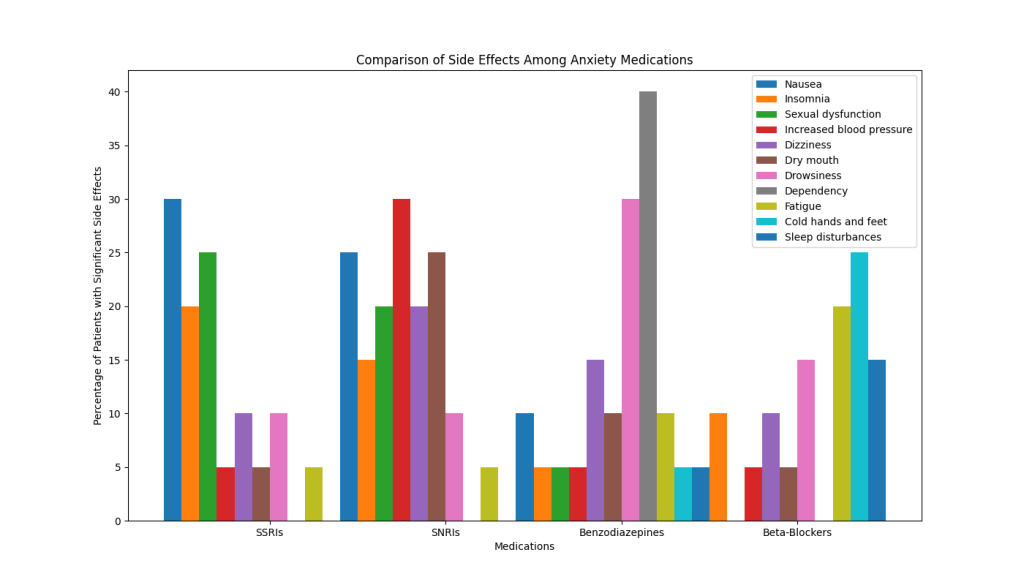
Figure 2 Comparison of Side Effects Among Anxiety Medications
Practical Advice and Solutions
- Mindfulness and Relaxation: Techniques such as deep breathing, meditation, and yoga can reduce anxiety.
- Limit Caffeine and Alcohol: These substances can exacerbate anxiety symptoms. Reducing intake can help manage anxiety levels more effectively.
- Talk About It: Discussing your worries with a trusted person can help alleviate anxiety. Sharing your thoughts can provide relief and perspective.
- Professional Support: CBT and medications are effective treatments. Don’t hesitate to seek help from a healthcare provider. Early intervention can prevent anxiety from worsening.
- Healthy Lifestyle: Maintain a balanced diet, regular exercise, and sufficient sleep to support overall mental health.
- Stay Connected: Maintain social connections and support networks. Isolation can increase anxiety, so staying connected with friends and family is important.
- Time Management: Organise your tasks and prioritise them to reduce feelings of being overwhelmed.
Conclusion
Anxiety disorders are complex conditions that affect many people worldwide. Understanding the medical, psychological, and human aspects of anxiety can help in managing and overcoming these disorders. It is crucial to seek professional help and build a supportive network to navigate the challenges of anxiety.
Disclaimer: This guide is intended for educational purposes only and is not a substitute for professional medical advice, diagnosis, or treatment. Always seek the advice of your physician or other qualified health provider with any questions you may have regarding a medical condition.
 Mind Matters
Leave a comment